Bringing a pet into your home is a joyous experience, but it can also come with its challenges. Dealing with pet behavioural issues is a common hurdle for many owners, and they can be frustrating if not addressed correctly. By understanding the root cause of these behaviours and implementing consistent training, you can help your pet become a well-adjusted and happy member of the family.
1. Separation Anxiety

This is a widespread issue, particularly in dogs, but it can affect cats and other pets too. Separation anxiety manifests when a pet becomes distressed when left alone. Symptoms can include destructive behaviour, excessive barking or meowing, and inappropriate urination.
Why does it happen? A strong bond with an owner is a wonderful thing, but it can turn into anxiety if the pet isn’t taught that being alone is safe. It’s often triggered by a change in routine, a house move, or a traumatic event.
How to deal with it:
- Gradual Desensitisation: Start with very short absences and gradually increase the time you are away. This teaches your pet that you always come back.
- Create a “Safe Space”: A comfortable bed, crate, or a specific room with their favourite toys can become a secure retreat.
- Don’t Make a Fuss: When you leave or return, keep it low-key. Overly emotional goodbyes and greetings can heighten your pet’s anxiety.
- Mental Stimulation: Ensure your pet has plenty of enrichment toys, such as puzzle feeders to keep them occupied while you’re out. For cats, consider a calming collar like the Beaphar Calming Collar for Cats, and for dogs, an anxiety-reducing toy like the Coolpet Sage Sheep.
2. Excessive Barking or Meowing

While it’s natural for pets to vocalise, constant barking or meowing can be disruptive and a sign of an underlying issue. It could be due to boredom, seeking attention, territorial instincts, or fear.
How to deal with it:
- Identify the Trigger: Is your pet barking at the postman, a neighbour, or simply out of boredom? Once you know the cause, you can address it directly.
- Provide Mental and Physical Exercise: A tired pet is a quiet pet. Ensure they get enough walks, playtime, and training sessions to burn off excess energy.
- Ignore Attention-Seeking: If your pet is barking for attention, the best strategy is to ignore the behaviour. Only give them attention when they are quiet.
- Training and Commands: Teach your dog commands like “quiet” or “speak.” This gives you control over their vocalisation.
3. Destructive Chewing and Scratching

Destructive behaviour, such as a dog chewing on furniture or a cat scratching carpets and sofas, is frustrating but often has a simple cause. It’s typically a result of boredom, anxiety, or a natural instinct.
Why does it happen? Dogs, especially puppies, chew to explore their environment and relieve teething pain. Cats scratch to stretch their muscles, mark their territory, and keep their claws in good condition.
How to deal with it:
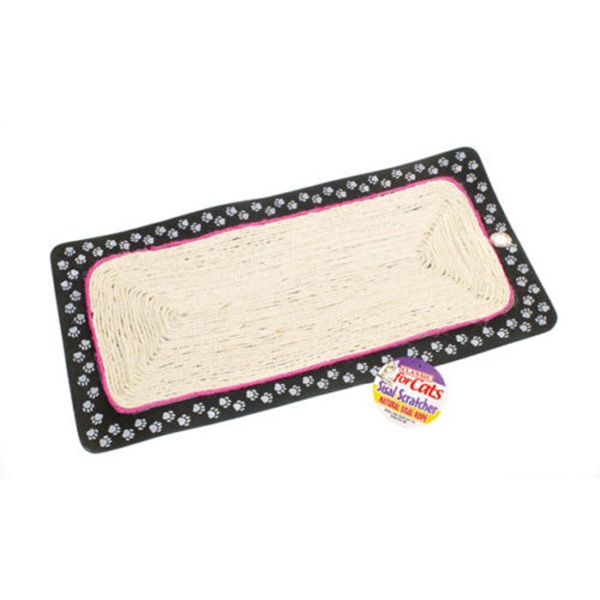
- Provide Appropriate Outlets: For dogs, offer a variety of chew toys such as the KONG Extreme. For cats, provide multiple scratching posts in different materials and locations, like the Classic Sisal Cat Mat.
- Deterrents: You can use pet-safe deterrent sprays on items you want to protect.
- Supervision: Monitor your pet and redirect them to their appropriate toys whenever they start chewing or scratching something they shouldn’t.
- Exercise and Play: Ensure your pet is getting enough physical and mental stimulation to prevent boredom.
4. Litter Tray Issues

This is a common issue with cats and can be a sign of a health problem or a behavioural one. If a cat is suddenly urinating or defecating outside their litter tray, it’s crucial to rule out a medical issue first.
Why does it happen? If it’s not a health problem, it could be due to stress, a dirty litter tray, a change in litter type, or an unsuitable location for the tray.
How to deal with it:
- Rule Out Health Issues: A trip to the vet is the first step to eliminate potential medical causes like urinary tract infections.
- Cleanliness is Key: Cats are fastidious creatures. Scoop the litter tray daily and clean the entire tray regularly with unscented soap. All4Petstore offers a range of litter trays and accessories to help, such as the Moderna Maryloo Cat Tray.
- Location, Location, Location: Place the litter tray in a quiet, private area away from their food and water bowls.
- Multiple Trays: If you have more than one cat, it’s recommended to have at least one litter tray per cat plus one extra.
Conclusion
Patience and consistency are the keys to successfully addressing behavioural issues. If you’re struggling, don’t hesitate to seek advice from a professional pet trainer or behaviourist. They can provide tailored advice and support to help you and your pet overcome these challenges and strengthen your bond. Remember, a little understanding and effort can go a long way in creating a peaceful and happy home for everyone.